Join over 14,000 collectors of inert military ordnance. Get expert identification help for shells, fuzes, grenades, and more — plus access our classifieds marketplace and decades of archived knowledge. Free to register, takes seconds.
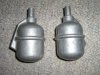
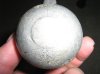
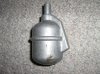
Is definitly East-German (DDR). It was diecast from aluminium, full metal, not hollow inside.
Normally it was unpaint (factory-delivered like this).
non-official Variations that have been made up:
Sometimes paint in red (RAL 3000) or dark green, some specimen that Ive seen had a hole for a safety-pin.
Hi "MissingSomething",
give me some time I can prepare some further information, but please be prepared that I also didnt find an East German-Grenade Manual that covers their own designs. The strange thing - in my view - is, that both original Grenade-manual that I own do only describe russian grenade-designs. Here what Ive:
If you want to check at ebay for example for a good Original-Manual (no fotocopy), you should look for some synonyms like "Dienstvorschrift" (original instruction-sheet in German language) and what youll need is:
1.) A 050/1/482 Handgranaten, Beschreibung und Nutzung, printed 1980, should be around 10-15 EUR Original-Manual (no fotocopy)
2.) DV-20/8 Handgranten, printed 1958, nearly no chance to find, should be normally destroyed after the release of the later revision - but... 1.) is from infromation even better
i have also seen these somewhere described as East German... clearly this is meant to resemble the RGD-5 (assume this was the DDR's offensive gren, opposite F1 frag?).
the DDR did produce solid grenades for throwing practice (wood and metal stick grens, hollow red-painted F1 bodies) but think these were for GST (Gesellschaft fr Sport und Technik) use i.e. for military-orientated sports rather than for training by the NVA (Army) in the use of grens.
This site uses cookies to help personalise content, tailor your experience and to keep you logged in if you register.
By continuing to use this site, you are consenting to our use of cookies.