British Ordnance Collectors Network
You are using an out of date browser. It may not display this or other websites correctly.
You should upgrade or use an alternative browser.
You should upgrade or use an alternative browser.
Special round
- Thread starter kz11gr
- Start date


Slick
Well-Known Member
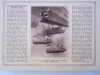
There was a discussion of the "zeppelin" projectiles on the IAA discussion board a while back. Your example looks similar to pictures I recall from that thread. Is the fuze correct to that projectile? I understand that incendiary rounds were quite effective, as well.
Rick
Rick
Last edited:



The only ones that I saw were 76's, and the 76 was made in a lot of places on behalf of the Russians. That being said, the ones I photographed were identified to me as Russian manufactured by the curator and they had cyrillic markings.

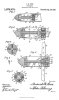
The UK Army School of Ammo museum had a 19th century naval shell - I don't remember its correct name - that was designed as a mast cutter. The projectile was inert but had three bladed bars that splayed out from near the shell base, as in the photo shown in this thread, when the shell left the canon's barrel. The projectile was around 15 inches long and had a diameter of about 5 inches. I would love to return there and take a pile of photos - I just didn't appreciate the museum enough while I was there.