I forgot to include the written info on these flares:
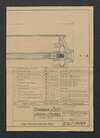
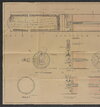
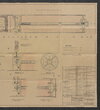
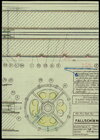
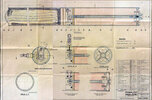
2) The Flugzeug-Fallschirm-fackel evolved into in 2 operational variants variants:
Model I/44 illumination for 2min 15sec, vertical speed 5m/sec
Model II/44 illumination for 3min 10sec, verticcal speed 3m/sec
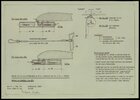
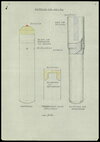
1) The Wurfackel throwing torch has a length of about 18 cm, a diameter of 3 cm, weight approx. 230 g, and a burning time of 45-50 seconds.
The throwing body consists of the igniter, the intermediate charges, the main charge, and the casing. A cap is included to protect the igniter.
The body, secured with the cap, is grasped with the left hand, with the cap toward the center of the thrower's body. The free hand pulls on the small band and exposes the friction surface. Then the adhesive band is torn off, the cap is removed, and the hand is turned. The friction surface now faces the squib; the thrower is ready.
The squib is rubbed vigorously against the friction surface, the tinder hisses. Once the thrower is satisfied, he throws.
After about 3 seconds, the body sprays, the light changes from bluish to greenish, and continues to burn steadily.