
pzgr40
Well-Known Member
This is the corrected version of the posting of the ZK-1 fuze. If anyone has downloaded the pictures and/or tekst of the former version, please delete it, it contained a seroius mistake. Sorry for any inconvenience.
Thanks Darrel for deleting the old post.
----------------------------------------------------------------------------------------------------------------------------
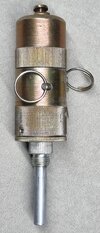
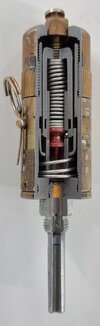
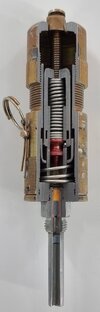
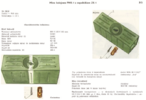
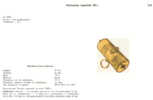
Cutaway model a Polish ZK-1 fuze meant for the PMK-1 railway mine, although it can also be used in other booby traps.
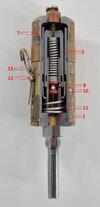
The fuze is steel made and consists of a fuze body (1) a base screw (2) which receives the MD-5 detonator (3) it the lower side and houses the firing pin (4) in it’s upper part, the slider (5), the fuze head (6), the adjustment cap (7), two steel locking balls (8) for the firing pin, the firing pin spring (9), the pressure ring (10), the pressure ring spring (11), and the safety and arming pin(12), with the cotter pin (13).
It must be noted that the fuze head (6) has a rectangular shape that fits in the square hole in the adjustment cap (7). The pitch of the fuze head thread and the adjustment cap are the same, so both rise at the same speed when unscrewing for adjustment (pict. 03).
The slider (5) has a rectangular slot on the outside in way of the safety and arming pin, so when adjusting height of the fuze the slider is fixated from rotation.
Functioning:
The PMK-1 mine is placed under a sleeper, or direct under the rail itself with the fuze in place. By unscrewing the adjustment cap (7), the fuze head (6) risies (pict. 03) and is placed with approximately 5 kg force under the sleeper or rail. The cotter pin (13) is removed, after which the safety and arming pin (12) is retracted. The mine is now armed and live.
When pressure is applied as the train passes over and the fuze head is depressed 3 mm, the slider (5) moves downward , placing the groove on the inside of the slider in way of the two locking balls (8) which move outward into the groove, releasing the firing pin (4) which moves into the firing cap of the MD-5 detonator (3), detonating the mine.
When the safety and arming pin (12) is removed, the pressure ring (10) -which is kept in the lower position by the safety pin- is pressed upward by it’s spring (11) and locks the hole for the safety and arming pin (12) on the inside of the fuze body so the safety and arming pin cannot be replaced. The slider is restricted in it’s upward movement by the sleeper or rail. As soon as attempts are made to pull the mine away from under the sleeper or rail the firing pin spring (9) will push the slider (5) upward, releasing the locking balls (8), thus releasing the firing pin, detonating the mine.
Length ZK-1 w/o detonator MD-5 : 71,5 mm
Length ZK-1 with detonator MD-5 : 114,5mm
Diameter ZK-1 : 27 mm
Akon placed a drawing of the PMK-1 mine, could you please load it again?
Regards, DJH
Thanks Darrel for deleting the old post.
----------------------------------------------------------------------------------------------------------------------------
Cutaway model a Polish ZK-1 fuze meant for the PMK-1 railway mine, although it can also be used in other booby traps.
The fuze is steel made and consists of a fuze body (1) a base screw (2) which receives the MD-5 detonator (3) it the lower side and houses the firing pin (4) in it’s upper part, the slider (5), the fuze head (6), the adjustment cap (7), two steel locking balls (8) for the firing pin, the firing pin spring (9), the pressure ring (10), the pressure ring spring (11), and the safety and arming pin(12), with the cotter pin (13).
It must be noted that the fuze head (6) has a rectangular shape that fits in the square hole in the adjustment cap (7). The pitch of the fuze head thread and the adjustment cap are the same, so both rise at the same speed when unscrewing for adjustment (pict. 03).
The slider (5) has a rectangular slot on the outside in way of the safety and arming pin, so when adjusting height of the fuze the slider is fixated from rotation.
Functioning:
The PMK-1 mine is placed under a sleeper, or direct under the rail itself with the fuze in place. By unscrewing the adjustment cap (7), the fuze head (6) risies (pict. 03) and is placed with approximately 5 kg force under the sleeper or rail. The cotter pin (13) is removed, after which the safety and arming pin (12) is retracted. The mine is now armed and live.
When pressure is applied as the train passes over and the fuze head is depressed 3 mm, the slider (5) moves downward , placing the groove on the inside of the slider in way of the two locking balls (8) which move outward into the groove, releasing the firing pin (4) which moves into the firing cap of the MD-5 detonator (3), detonating the mine.
When the safety and arming pin (12) is removed, the pressure ring (10) -which is kept in the lower position by the safety pin- is pressed upward by it’s spring (11) and locks the hole for the safety and arming pin (12) on the inside of the fuze body so the safety and arming pin cannot be replaced. The slider is restricted in it’s upward movement by the sleeper or rail. As soon as attempts are made to pull the mine away from under the sleeper or rail the firing pin spring (9) will push the slider (5) upward, releasing the locking balls (8), thus releasing the firing pin, detonating the mine.
Length ZK-1 w/o detonator MD-5 : 71,5 mm
Length ZK-1 with detonator MD-5 : 114,5mm
Diameter ZK-1 : 27 mm
Akon placed a drawing of the PMK-1 mine, could you please load it again?
Regards, DJH