Join over 14,000 collectors of inert military ordnance. Get expert identification help for shells, fuzes, grenades, and more — plus access our classifieds marketplace and decades of archived knowledge. Free to register, takes seconds.
Hi Stonewall,
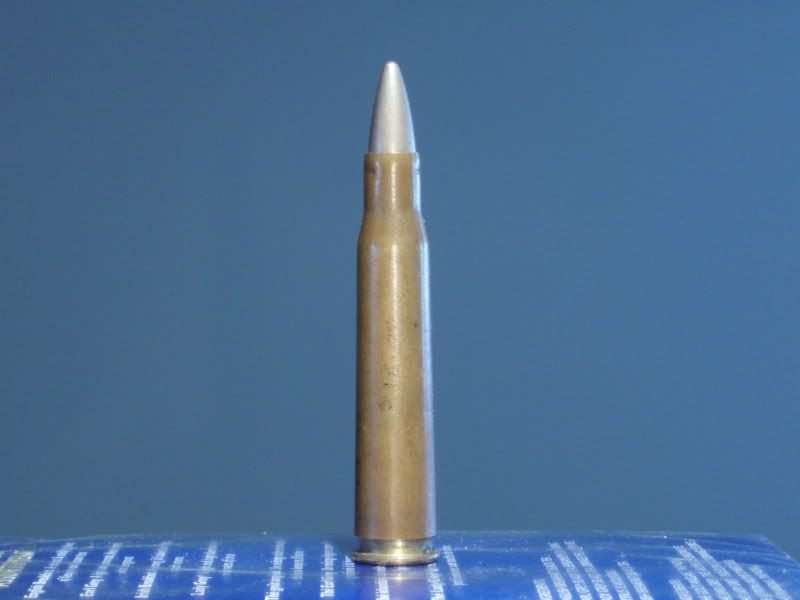
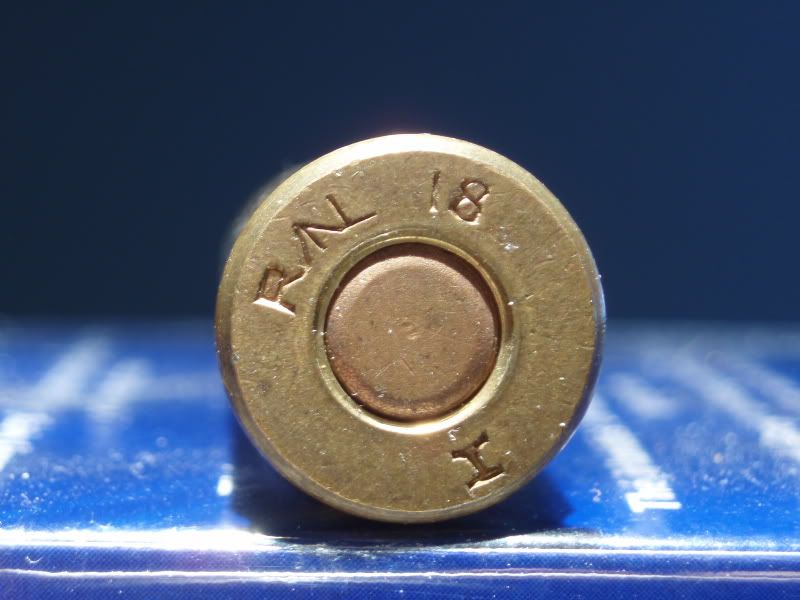
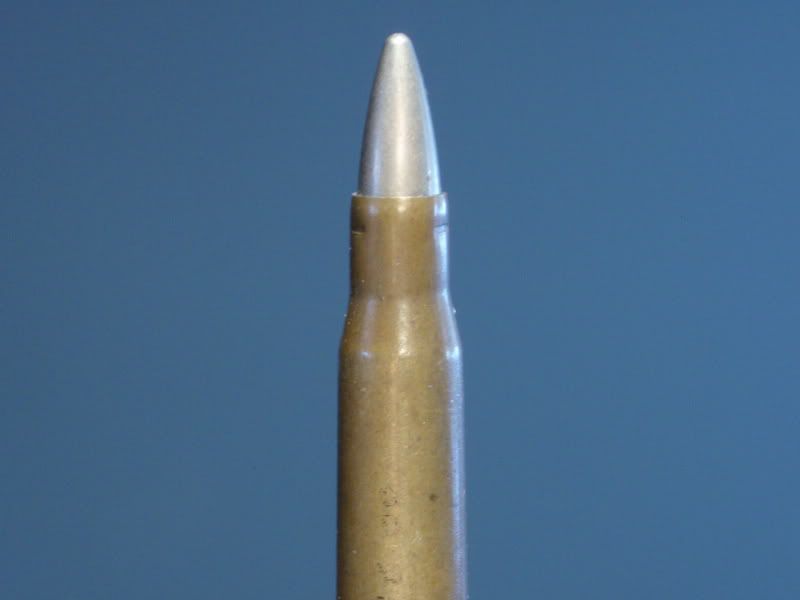
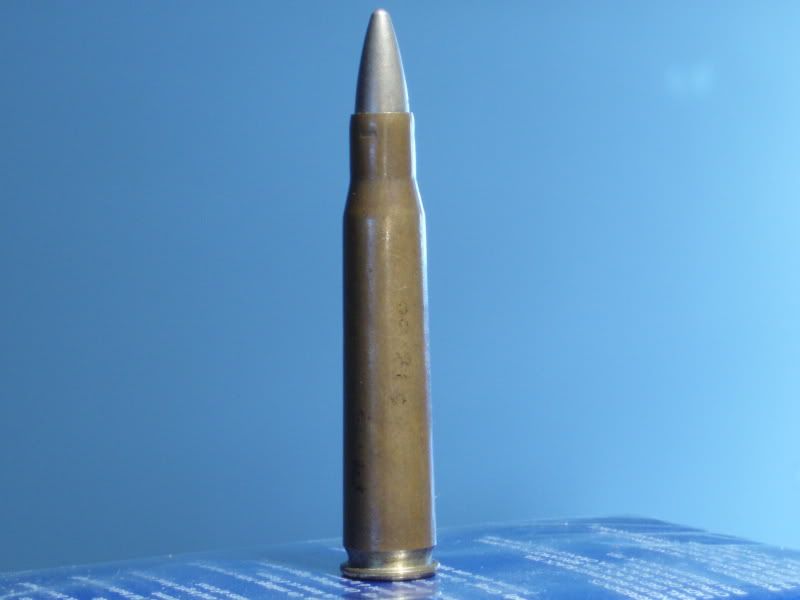
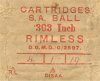
This round is an experimental round, and despite being described as "Rimless" on the packaging, it was actually semi-rimmed. Development started in 1917 in the hope of producing a .303" round with better ballistics than the Service Mk. VII Ball round, but restricted to the same overall length so that it would fit in the existing magazine.
After several designs had been considered, manufacture of the chosen type started, and it was then subjected to trials in modified P.14 rifles, and some machine guns. The loadind most commonly found is ball, but some AP rounds were made, which should have green primer annuli. A few steel dummies were also made. Although by 1918 the Army requirement for this round had disappeared, the Air Service continued to play with it for a short while longer, presumably for use in their Lewis guns.
There is quite a bit about this round in the late Peter Labbett's book "British Small Arms Ammunition 1864-1938" .
Regards.
Roger.
Thank you very much Roger.
I looked down at Merv's display table and only bought two rounds there that day but they are interesting ones.
This cartridge caught my eye right away.
Roger has pretty well answered your questions about this. About the only additional point to add is that both VIIG tracer and Buckingham incendiary loads are known in this calibre, although these were loaded some time after WWI.
They are extremely rare, although I have seen both. I only have the ball and AP rounds.
The title of "Ball Mark I" noted by Doc AV is wrong, as although the headstamps carry the code "I", this nomenclature was never awarded andthe round was purely experimental.
This site uses cookies to help personalise content, tailor your experience and to keep you logged in if you register.
By continuing to use this site, you are consenting to our use of cookies.