British Ordnance Collectors Network
You are using an out of date browser. It may not display this or other websites correctly.
You should upgrade or use an alternative browser.
You should upgrade or use an alternative browser.
Royal Laboratory Mark II 1883
- Thread starter CultOfOne
- Start date
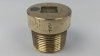
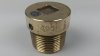
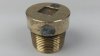
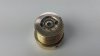
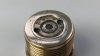
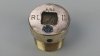
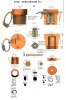

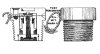
It is my understanding that the original nomenclature for this fuze was - Fuze, Percussion R.L. Plain Mk. II. However, towards the end of the nineteenth century, to avoid confusion, named fuzes were allocated a number. This fuze became the No. 7.
This fuze was intended for use by Land Service in all Rifled Breech Loaders up to 80 Pr. and in Naval Service with 7 and 9 Pr. Rifled Muzzle Loaders. The exception in both sevices being the 7 Pr. double shell.
TimG
This fuze was intended for use by Land Service in all Rifled Breech Loaders up to 80 Pr. and in Naval Service with 7 and 9 Pr. Rifled Muzzle Loaders. The exception in both sevices being the 7 Pr. double shell.
TimG
Jimmykoystix
Member
Thanks I think you’ve got it right. The drawing has no dimensions, the object I’ve got is 1.295“ but it all looks correct .
So do the markings 3/81 and 10/90 indicate the date the fuse was originally made and recalibrated?, plus is it dangerous to handle?.
Jimmykoystix
Member
I’m a bit new to this does the 80 Pr mean pounder?It is my understanding that the original nomenclature for this fuze was - Fuze, Percussion R.L. Plain Mk. II. However, towards the end of the nineteenth century, to avoid confusion, named fuzes were allocated a number. This fuze became the No. 7.
This fuze was intended for use by Land Service in all Rifled Breech Loaders up to 80 Pr. and in Naval Service with 7 and 9 Pr. Rifled Muzzle Loaders. The exception in both sevices being the 7 Pr. double shell.
TimG
Would a percussion fuse be used with shrapnel balls or are the balls from a timed fuse shell only?
This fuze is documented in the following books :
Handbook for 7-PR Rifled M.L. Steel gun of 200lb
Handbook for 9-PR R.M.L. guns of 6-CWT & 8-CWT
Handbook for 9-PR R.M.L. guns of 6-CWT. & 8-CWT.
Handbook for the 13-PR rifled ML gun of 8 CWT
Handbook for the 16-PR rifled M.L. gun of 12 CWT
Handbook for the 25-pr rifled M.L. gun of 18 CWT
Handbook for 40-PR Rifled B.L. Guns
Handbook for 40-PR R.B.L. Guns of 32 and 35 CWT
Handbook for the 80-PR rifled M.L. converted gun of 5 tons, on sliding carriage
Treatise on ammunition 2nd edition
Handbook of artillery materiel
Most of them are available here : https://find.slv.vic.gov.au/discovery/search?vid=61SLV_INST:SLV&lang=en (Victoria State Library)
Cheers,
S.
Handbook for 7-PR Rifled M.L. Steel gun of 200lb
Handbook for 9-PR R.M.L. guns of 6-CWT & 8-CWT
Handbook for 9-PR R.M.L. guns of 6-CWT. & 8-CWT.
Handbook for the 13-PR rifled ML gun of 8 CWT
Handbook for the 16-PR rifled M.L. gun of 12 CWT
Handbook for the 25-pr rifled M.L. gun of 18 CWT
Handbook for 40-PR Rifled B.L. Guns
Handbook for 40-PR R.B.L. Guns of 32 and 35 CWT
Handbook for the 80-PR rifled M.L. converted gun of 5 tons, on sliding carriage
Treatise on ammunition 2nd edition
Handbook of artillery materiel
Most of them are available here : https://find.slv.vic.gov.au/discovery/search?vid=61SLV_INST:SLV&lang=en (Victoria State Library)
Cheers,
S.
Jimmykoystix
Member
Wow, I'll take a look through later thanksThis fuze is documented in the following books :
Handbook for 7-PR Rifled M.L. Steel gun of 200lb
Handbook for 9-PR R.M.L. guns of 6-CWT & 8-CWT
Handbook for 9-PR R.M.L. guns of 6-CWT. & 8-CWT.
Handbook for the 13-PR rifled ML gun of 8 CWT
Handbook for the 16-PR rifled M.L. gun of 12 CWT
Handbook for the 25-pr rifled M.L. gun of 18 CWT
Handbook for 40-PR Rifled B.L. Guns
Handbook for 40-PR R.B.L. Guns of 32 and 35 CWT
Handbook for the 80-PR rifled M.L. converted gun of 5 tons, on sliding carriage
Treatise on ammunition 2nd edition
Handbook of artillery materiel
Most of them are available here : https://find.slv.vic.gov.au/discovery/search?vid=61SLV_INST:SLV&lang=en (Victoria State Library)
Cheers,
S.
Jimmykoystix
Member
Thanks I took a quick look at one of the manuals online and there it is and without the ball bearings. So I'm now presuming that the ball bearings are not linked to using the mk II percussion fuse.Wow, I'll take a look through later thanks
Are those numbers on the fuse the dates it was made and checked over?