Join over 14,000 collectors of inert military ordnance. Get expert identification help for shells, fuzes, grenades, and more — plus access our classifieds marketplace and decades of archived knowledge. Free to register, takes seconds.
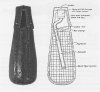
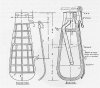
Another image showing rod. Basically the hand version with a rod. This was developed into a more efficient version in the Army Workshops (drawing No22 Workshop) which worked very well. Was chosen for home production and messed about with such the grenade functioned at the end of the barrel - not helpful. A Mark II rectified the problem and a Mark III was devised (see dwg) but enthusiasm for this sort of design had waned by then.
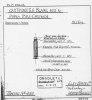
Tony's drawing shows the 'automatic' lighter for the Pippin. Both of the drawings originate from the Army Workshops in France and, although I have not paid much attention to it before, I guess that metric dimensions would have been a must for work put out to French foundries etc., and presumably locally sourced workshop kit would have been metric. I'll see if I have anything that mentions it.
Afternote: From a small sample of drawings it would seem that 1st Army Workshops used imperial measurement, 2nd Army Workshops conducted their business in metric (maybe they employed French Draughtsmen!) and The Experimental Section used both (or perhaps I should say either).
This site uses cookies to help personalise content, tailor your experience and to keep you logged in if you register.
By continuing to use this site, you are consenting to our use of cookies.