What's new
British Ordnance Collectors Network

Join over 14,000 collectors of inert military ordnance. Get expert identification help for shells, fuzes, grenades, and more — plus access our classifieds marketplace and decades of archived knowledge. Free to register, takes seconds.

WWI base plates

MINENAZ16

Well-Known Member
Ordnance approved
Hello,

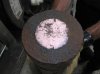
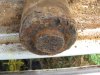
Just to show you unusual reinforced base plates from ww1 shells fired :

-French HE 75mm (copper made) :

75mm.jpg


-British HE 18pr :

18pr.jpg


Cheers
 
interesting, especially the copper plate. Did they mount the base plates to lower the number of shells which burst inside the barrel because sometimes hot gas could pass through the shells base and ignite the filling?
 
interesting, especially the copper plate. Did they mount the base plates to lower the number of shells which burst inside the barrel because sometimes hot gas could pass through the shells base and ignite the filling?

You're right.
Usually these hardened base plates are made with iron and we can see a slight thickening on the base.
 
Yes, I know the normal french 75 mm with soldered steel plates, but these have a much larger diameter as this copper plate. I can understand when these are used on cast iron shells as cast iron can have bubbles from the casting process. But maybe the thin walled french steel shells had sometimes the same problems because of cracks in the material.

There are italian base fuzed shells with similar protection plates which are just mounted with two screws. I really wonder if such plates could improve the protection of the fuzes lead sealing against the gas pressure in such a loose connection...
 
Last edited:
Top