
What's new
British Ordnance Collectors Network

Join over 14,000 collectors of inert military ordnance. Get expert identification help for shells, fuzes, grenades, and more — plus access our classifieds marketplace and decades of archived knowledge. Free to register, takes seconds.

401 Fuze - how does this work?

Dive Sprite

New Member
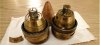
Hi, I am new here. I recently came across two Vickers Armstrong (Elswick Works) 401 fuze (image attached) and was wondering how they 'work'?
Does anyone have any diagrams and assembly information?
I was thinking about how to dismantle the fuzes to clean / restore them.
These fuzes were from a deck mounted gun on a ship, sunk 1941.
Any information would be appreciated. Thank you.

Dive Sprite
 

Attachments

  • timer-heads-low.jpg
    timer-heads-low.jpg
    93.8 KB · Views: 107
I dont have anything on the 401 but as they still appear to have packaging attatched i wouldnt try stripping them they may still have live pyrotechnic components (detonators Explosive pellets etc)
 
Thank you Spotter, that's great advice. I will leave them as they are. They have been at the bottom of the sea since 1941, but they will dry out pretty quickly.
I suspect that these are AA shell fuzes, since the ship they are from went down after being bombed by the Luftwaffe. The shell cases (in boxes) and these fuzes were very close to the deck gun, and the boxes were open.
 
as Spotter says they still have packing on, the ridged ring is I belive part of the screw on fuze cover, which is removed before firing. As they were with the gun it is a safe bet they do have dangerous components in them as they are unfired. A detonator pellet and a channel full of burning composition and an explosive composition are likely to be there. Time and sea water do not make them inert. Hopefully some one will post a section drawing and confirm the above.
 
Top