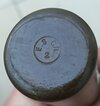
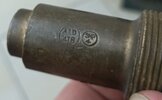
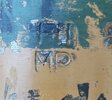
AID is Aeronautical Inspection Directorate
The AID, formed in December 1913, was the primary body responsible for quality assurance, standards, and airworthiness of aircraft and supplies in the United Kingdom. It was originally established under the War Office and later oversaw supply and inspection on behalf of the Air Ministry.
The scope of the inspection carried out by AID comprised not only aircraft but supplies of many other kinds utilized by the Flying Service, such as balloons, hangars, tents, machine tools, raw materials, fabrics and a variety of general equipment. In the inspection of these multifarious supplies almost every trade was dealt with, and some idea may be formed of the department's technical requirements when it is realized that detailed inspection was made of all materials, of the manufacturing process to which they were subjected, of the assembly of various parts into component units and of the erection of the aircraft, engines, etc.
By 1939 AID was an engineering organisation, mainly civilian, but in part RAF, whose prime purpose was to ensure that all RAF and RN equipment manufactured or repaired by contractors and by RAF maintenance units was constructed to approved designs and was fit and serviceable for issue to the users, the operational and training units of the RAF and RN.
1940 Passed to the
Ministry of Aircraft Production
AID was organised in six divisions, namely aircraft, armament, engines, aircraft equipment, materials and general stores, the members of each division being specialists in the appropriate technical work.