

British Ordnance Collectors Network
You are using an out of date browser. It may not display this or other websites correctly.
You should upgrade or use an alternative browser.
You should upgrade or use an alternative browser.
French HE
- Thread starter Andysarmoury
- Start date
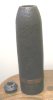
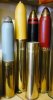


Thanks guys, i just wished i lived nearer the somme.
Cheers
Andy
Cheers
Andy

jordon1995
Well-Known Member
hi
nice job andy keep up the good work
jordon
nice job andy keep up the good work
jordon
1
18pounder
Guest
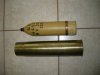
Hi, Just finished this French HE round i don't know if its the right shade of yellow but it will do for know and all i have left to do is the lettering
Andy
good job mate.
a bit of a cheat i use is to add a wash over the yelow base colour.
Basically you mix up some very watered down base colour,in your case yellow but darker,and sponge or brush over everything.(after lettering)
Makes it look a little aged and less bright also dampens down lettering that can sometimes stand out too much when painted.
Its the same effect as using strong cold tea to age other articles like clock faces.
Ive used this on 18 pounder shells with this yellow,models etc..
i wouldnt be too concerned on the correct shade of yellow,i'm sure some one knows the 'exact' shade for this,but it all depends on quality of paint,age and storage conditions so I believe its a little open to artistic licence and interpretation.
your shell looks great.
Doug
p.s. how you doing he lettering?
ive used 'letraset' rub on tranfers,they come in all fonts,colours and sizes and can easily be rubbed with very fine wet and dry to give a faded or worn look.
you can get them from hobbycraft..
Attachments
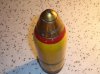
Last edited by a moderator:
Hi Doug, Thanks that sounds a good idea, i will make my own stencils, first i will print the letters off the computer to the size i wanted and then cover the letters with thin clear plastic like the stuff you cover books with and cut them out with a craft knife, its very time consuming and fiddly but its worth it and then stick the plastic on the shell and then with a small sponge or brush stipple the paint on.
Andy
Andy

Der_Feldgraue
Well-Known Member
For the correct stamps and text I could help you out. I will post some images when I am at home.
Many thanks Dr Feldgraue that would be great
Andy
Andy
Der_Feldgraue
Well-Known Member
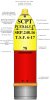
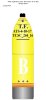
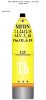
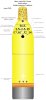
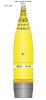
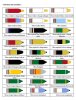
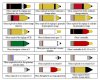
Hi Andy, I hope this will help you. These are all HE shell paint schemes and markings here. The steel top of the fuze was painted white for fuzes without delay and black for those with delay.
Attachments
Last edited:

Der_Feldgraue
Well-Known Member
Der_Feldgraue
Well-Known Member
Looks great! How did you make the letters?
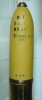
Hi, i used some transfers the rub off lettering its the first time i have used them so don't know if they will be ok.
Andy
Andy
Der_Feldgraue
Well-Known Member
I use a plastic template and a very thin paint-brush to paint the text on it. I am about to restore a french 75 mm He too. Will post pics here soon...
Hi der feldgraue,I look forward to seeing that and good luck.
Andy
Andy